2026 Top Cable Management Solutions for Global Buyers

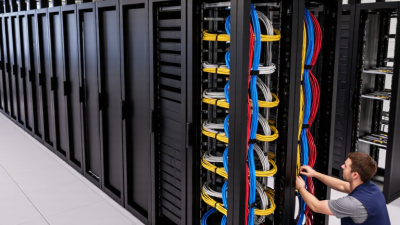
Cable management has become a practical infrastructure decision, not a finishing touch. Global buyers need systems that keep power and data routes organized, accessible, and ready for change. In data centers, factories, offices, and network rooms, crowded trays can make inspection slower and upgrades harder. Small choices matter: a bend too tight, a label hidden behind a bundle, or a tray with no room for the next installation.

The International Energy Agency’s Electricity 2024 report estimated that data centers used about 460 TWh of electricity in 2022; demand could exceed 1,000 TWh by 2026. That growth makes reliable, serviceable infrastructure more important. Uptime Institute’s 2024 Annual Outage Analysis also found that 54% of surveyed operators said their most recent significant outage cost more than $100,000. These figures do not prove that cable routing caused those outages. They do show why buyers should assess maintainability alongside price.

This guide compares cable management solutions for global purchasing teams, from trays and raceways to ties, sleeves, and labeling systems. It considers material, load capacity, installation conditions, and access for future maintenance. No single product fits every site. That deserves attention. A low-cost component may work well in a dry, controlled room, yet prove unsuitable near heat, dust, or frequent movement. Buyers should verify specifications against actual operating conditions and supplier documentation before choosing.
2026 Top Cable Management Solutions for Global Buyers

Cable Management: Purpose, Scope, and Core Components

Cable management is the planned routing, support, protection, and identification of cables. Its purpose is practical: reduce snagging, limit abrasion, preserve airflow, and make inspection less disruptive. A cabinet with cables crossing a fan inlet may run warmer than expected. A clean-looking installation is not automatically a reliable one.

The scope depends on the site. A small control panel may need slotted ducts, grommets, and labeled conductors. A warehouse installation may use cable trays, conduit, supports, and protective covers. Ties and clamps keep routes stable, but overtightening can deform insulation or make later changes difficult. Leave suitable bend space, separate sensitive signal wiring from likely sources of electrical interference, and check that supports match cable loads and conditions.

Small details matter. Labels should remain readable after doors open and equipment moves. Choose components for the cable type, temperature, moisture, dust, and maintenance access—not just the initial layout. Follow equipment instructions and have qualified personnel assess electrical requirements. Even careful routing can become crowded after a few upgrades; that is a useful warning, not a reason to conceal the problem. Recheck clearances, support points, and access before adding more cables.

Major Cable Management Solution Types for 2026

Major Cable Management Solution Types for 2026

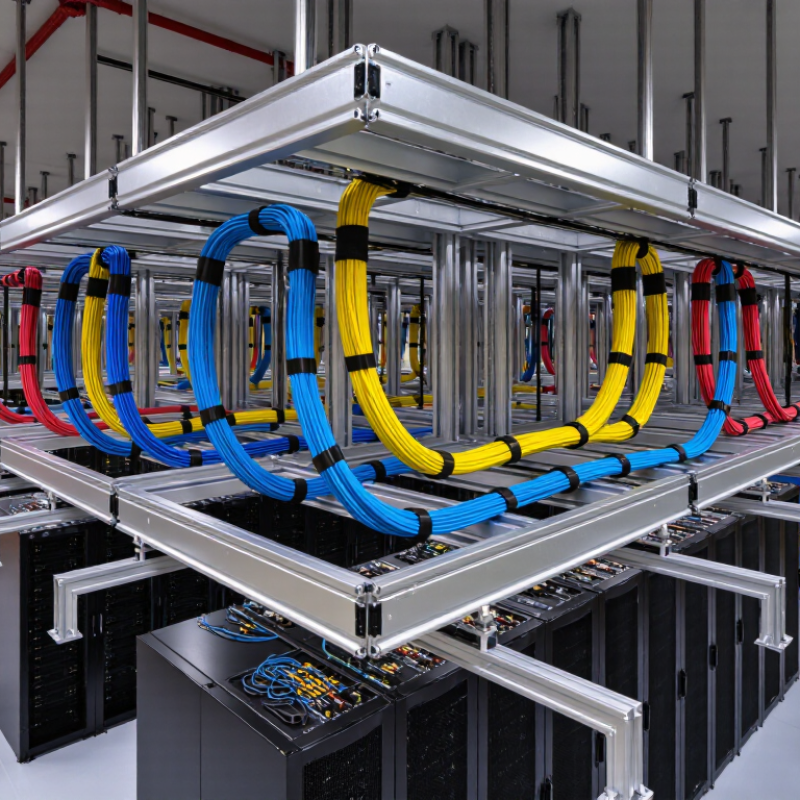
Cable trays and ladder racks suit long routes above workshops, warehouses, and data rooms. Their open design allows airflow and makes visual inspections easier. For exposed runs, metal or plastic conduit adds physical protection, especially near moving equipment. Surface trunking keeps smaller cable bundles tidy along office walls. Each type solves a different problem; none is ideal everywhere.

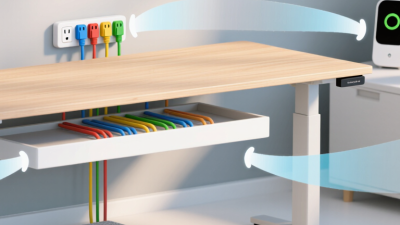
Flexible sleeves and spiral wraps group short cable runs behind desks or inside equipment cabinets. Clips and tie mounts help secure individual lines, but overtightening can damage insulation. Floor raceways can reduce trip hazards where cables cross walkways. Check their height and fastening method against the site’s foot traffic. Small details matter. I have seen neat installations become difficult to service when spare capacity was overlooked.

Tips: Measure route length, bends, and cable volume before ordering. Confirm material suitability for heat, moisture, cleaning chemicals, and expected load. Ask suppliers for technical data, including relevant fire-performance information, and check it against local project requirements. Leave room for future additions. A very full tray may look efficient at installation, but it can make later changes awkward.

2026 Top Cable Management Solutions for Global Buyers

Major Cable Management Solution Types: Typical Application Fit

The 1–5 scale is a qualitative guide to common use, not market-share data or a product performance rating. Cable trays are commonly used for larger cable runs; conduits and raceways provide routing and protection; ties and sleeves bundle cables; and floor covers help protect cables crossing walkways.

Materials, Designs, and Performance Differences

Cable management choices depend on the installation, not just the product description. Nylon cable ties are lightweight and resist everyday abrasion, while stainless steel ties suit demanding outdoor or industrial settings where strength and corrosion resistance matter. They are tougher, but slower to adjust or remove.

It is a trade-off.

Polymer cable sleeves bundle several wires and help reduce rubbing against desk edges or equipment frames. Split sleeves allow cables to be added later; closed sleeves give a neater finish but require more planning. Adhesive clips are quick to install on smooth surfaces, yet dust, heat, and textured finishes can weaken their hold. Test a small area first. A clean-looking sample may not reflect a busy workspace.

Performance also depends on temperature, sunlight, moisture, and how often cables move. A flexible silicone sleeve may work well around frequently adjusted equipment, while a rigid tray can keep heavier cable runs off the floor. Check load limits and environmental ratings against the actual site conditions. Specifications help, but they cannot predict every installation. I have seen tidy plans become awkward once power outlets and maintenance access enter the picture. Allow room for bends and future changes, then inspect the setup after use.

How Global Buyers Assess Standards and Compatibility

Global buyers should treat standards as a documented fit, not a logo on a datasheet. Ask suppliers for current test reports, material declarations, and installation limits for each cable management product. Check whether the stated requirements match the destination market and project specification. A tray, conduit, gland, or tie may face different expectations for flame behavior, temperature, corrosion, or outdoor exposure.

Compatibility starts with measurements. Compare cable bundle diameter with conduit capacity, tray fill guidance, bend radius, and entry sizes. Then check the mounting method against the actual surface: a painted steel cabinet, concrete wall, and vibrating machine need different hardware. Small details matter. For example, a gland that fits the opening may still compress the cable jacket poorly. Confirm material compatibility too, especially where cleaning agents, moisture, or dissimilar metals are present.

Request samples when a project has unusual routing or harsh conditions. Fit them with the intended cables, tools, and mounting points before approving a large order. Photograph the setup and record part dimensions, markings, and test documents for later inspection. A checklist helps, but it can miss the awkward bend behind a cabinet door. We sometimes overestimate how neatly cables will enter a tray. Leave room for maintenance, labeling, and future additions, even when the first installation looks tidy.

2026 Top Cable Management Solutions for Global Buyers – How Global Buyers Assess Standards and Compatibility

Solution Typical Applications Key Compatibility Checks Relevant Standards or References What Buyers Should Verify
Hook-and-loop cable straps Reusable bundling of data, AV, and light-duty power cables in racks, offices, and service areas. Strap width and length, bundle diameter, fastening method, reusability, and whether the material is suitable for the installation environment. ANSI/TIA-568 cabling guidance is relevant to cable installation and performance; it does not certify a strap as a product. Confirm that bundling does not compress cables beyond their permitted bend radius or obstruct access for maintenance.
Nylon cable ties General-purpose bundling and fastening in panels, equipment, and building installations. Tie length, width, tensile rating, installation tool, temperature range, and resistance to UV or chemicals where needed. IEC 62275 covers cable management systems, including cable ties, for electrical installations. Check the applicable product test documentation and environmental ratings. Use appropriate tension to avoid damaging cable jackets.
Cable trunking and ducting Organized routing along walls, inside cabinets, and around workstations. Internal dimensions, lid retention, mounting method, fittings, material, and separation requirements for different cable types. IEC 61084 covers cable trunking and ducting systems for electrical installations. Confirm system dimensions and compatible fittings; check fire and material requirements for the intended building location.
Conduit and flexible conduit Protected routing through walls, ceilings, machinery, or exposed areas where cables need mechanical protection. Trade size or nominal diameter, fill capacity, bend radius, connectors, environmental exposure, and pull requirements. IEC 61386 covers conduit systems for cable management. Local electrical codes, such as NFPA 70 (NEC) in the United States, may also apply. Verify the conduit type and fittings are approved for the location and installation method under the applicable local code.
Cable tray and ladder systems Supporting multiple power, control, or communication cables across commercial and industrial routes. Tray width and loading, span, support spacing, corrosion environment, cable separation, and access for future additions. IEC 61537 covers cable tray and cable ladder systems. NEMA VE 1 is a reference for metal cable tray systems in North America. Review load capacity, support design, bonding or grounding provisions, and project-specific code requirements.
Floor raceways and surface channels Routing cables across floors or along finished surfaces where concealed pathways are unavailable. Channel capacity, cover profile, accessibility, floor traffic, slip or trip risk, and compatibility with the surface. Applicable building, accessibility, and electrical requirements depend on the installation location and jurisdiction. Confirm the system is suitable for pedestrian or wheeled traffic where applicable, and that the route does not create an obstruction.
Cable sleeves and protective braided wraps Grouping and abrasion protection for cables in equipment, desks, and moving or exposed assemblies. Expandable diameter, closure style, abrasion resistance, temperature limits, and compatibility with the cable bundle. IEC 60332-1-2 describes a flame-propagation test for a single insulated wire or cable; it is not a blanket approval for every sleeve or installation. Request test evidence for the complete product and intended use. Check whether the material’s flame performance is required by the project specification.
Grommets and cable entry bushings Protecting cable jackets at panel, enclosure, desk, and equipment openings. Panel thickness, opening diameter, cable bundle size, edge protection, sealing needs, and material compatibility. IEC 60529 defines IP enclosure protection ratings; the rating applies to an enclosure configuration, not automatically to an individual grommet. For sealed enclosures, verify the complete assembly’s tested IP rating and the specified cable-entry arrangement.

Buyer note: Standards applicability varies by product type, installation, and destination market. Ask suppliers for current test reports, declarations, material data, and installation instructions, then confirm requirements with the project specification and local authority having jurisdiction.

Selection Factors for Installation, Safety, and Long-Term Use

For global buyers, cable management starts with the route, not the product. Check cable type, load, ambient temperature, moisture, vibration, and access before choosing trays, conduits, or adjustable supports. Leave room for future circuits, and respect each cable’s minimum bend radius. Keep power and data cables separated where project specifications require it. A tray that looks tidy can still create strain at a connector.

Safety needs evidence, not assumptions. Uptime Institute’s 2024 Global Data Center Survey found that 54% of respondents had experienced a data-center outage in the preceding three years. That figure does not mean poor cable management caused those outages; it does show why maintainability matters. Specify fire performance, load capacity, corrosion resistance, and compatible fixings. Check the applicable electrical and fire codes for the installation site, since requirements vary by region. During inspection, look for sharp edges, crushed insulation, unsupported spans, and blocked access to panels. Small details matter.

Long-term use depends on practical maintenance. Label both ends, document routes, and choose supports that technicians can reopen without damaging adjacent cables. Photograph concealed runs before walls or ceilings close. This step is easy to skip. Review the layout after changes, too; unused ties and abandoned cables can hide problems. A perfect first installation is not always realistic, but a clear record makes the next inspection safer.

x