
Why Are Rain Umbrellas Essential for Global Buyers?

Rain Umbrellas are more than seasonal accessories for global buyers. They are practical products shaped by climate, mobility, design, and purchasing habits. A compact umbrella may protect a commuter in London, a market vendor in Manila, or a student walking through sudden rain in São Paulo. Each market expects something different. Some buyers value light weight. Others prioritize wind resistance, UV protection, automatic opening, or generous canopy coverage.

Umbrella designer David Cook says, “A reliable umbrella should protect people quietly, even when weather changes without warning.” This view reflects a key purchasing reality. Buyers do not judge Rain Umbrellas by appearance alone. They examine frame strength, fabric density, handle comfort, stitching, corrosion resistance, and opening performance. A weak rib can fail within minutes during a storm. A poor coating may leave water marks after repeated use. Small details matter.

This article explores why Rain Umbrellas remain essential across international markets. It considers consumer needs, product quality, customization, packaging, and supplier reliability. It also examines practical concerns, including transport conditions and long-term durability. Yet perfection is difficult. A lighter frame may reduce strength. A larger canopy may increase shipping costs. Sustainable materials can also raise prices, at least temporarily. These trade-offs deserve honest attention. Global buyers need useful protection, not exaggerated promises. The best purchasing decision balances performance, value, local weather, and everyday convenience.
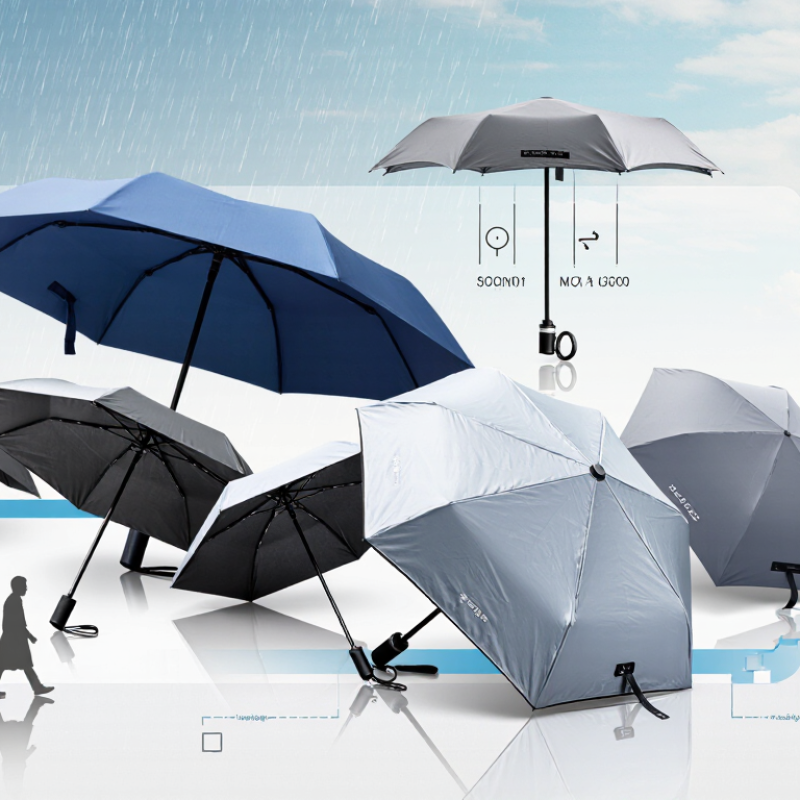
Why Are Rain Umbrellas Essential for Global Buyers?

Climate Need: WMO Recorded 2023 as the Warmest Year on Record

Why Are Rain Umbrellas Essential for Global Buyers?

The World Meteorological Organization recorded 2023 as the warmest year on record. Global temperatures reached about 1.45°C above the 1850–1900 average. This warming matters to buyers because warmer air can hold more moisture. Sudden, intense rainfall may follow. A clear morning can become a flooded street by afternoon.

For importers and retailers, rain umbrellas are practical climate-adaptation products. Strong canopies help protect clothing, documents, and electronic devices during heavy showers. Vented designs can reduce pressure during gusty weather. Fiberglass ribs, rust-resistant shafts, and comfortable handles also matter during repeated use.

In product testing, buyers should open and close each umbrella several times. They should check stitching, frame alignment, and drying speed. Small faults become expensive returns.

The need is not identical everywhere. Coastal cities may require wind resistance, while tropical markets may prioritize quick-drying fabric. Compact umbrellas suit commuters, but larger models offer better coverage for parents and outdoor workers.

Color visibility can improve safety near busy roads, although an umbrella cannot replace careful walking. It cannot stop flooding or lightning.

Climate data supports stronger demand, but it should not encourage exaggerated claims. Weather remains unpredictable, and a durable umbrella still has limits. Buyers need honest specifications, realistic testing, and packaging that protects the product before use. That approach is less dramatic, but more trustworthy.

Market Evidence: Grand View Research Valued Umbrellas at $7.1B in 2023

Why Are Rain Umbrellas Essential for Global Buyers?

Grand View Research valued the global umbrellas market at USD 7.1 billion in 2023. This figure shows strong, everyday demand across multiple regions. Umbrellas are practical products, not seasonal novelties. Rainfall, commuting, tourism, and outdoor work keep purchase needs active. Market forecasts suggest continued expansion, although research methods and regional coverage can differ. Buyers should treat projections as useful signals, not perfect promises.

For importers, quality details matter more than a low initial price. A sturdy frame reduces breakage during sudden wind. Water-resistant fabric helps prevent leaks near seams and folding points. Handle comfort also matters during long walks or crowded train journeys. I recommend checking opening tests, fabric coating, rib strength, and packaging durability. Small defects often appear after repeated folding. That is where supplier samples can disappoint. Independent inspection remains valuable.

Tips: Compare at least three samples before placing a large order. Request clear test records and material specifications. Check carton protection after simulated rain and transport handling. Consider different sizes for commuters, children, and travel users. Grand View Research’s 2023 valuation supports market potential, but local weather patterns still influence product selection. A global buyer should study both data and real user behavior.

Why Are Rain Umbrellas Essential for Global Buyers? — Market Evidence: Global Umbrella Market Valued at $7.1 Billion in 2023

Market Dimension Verified Market Evidence Relevance for Global Buyers
Global market value The global umbrella market was valued at approximately US$7.1 billion in 2023. Confirms that umbrellas are a large, established consumer-product category with broad international demand.
Market growth outlook The market is projected to expand at approximately 3.9% CAGR from 2024 to 2030. Supports forward purchasing, assortment expansion, and long-term sourcing strategies.
Indicative 2030 market value Applying the reported 3.9% CAGR to the 2023 base produces an indicative value of approximately US$9.3 billion by 2030. Indicates continued category potential for importers, distributors, retailers, and promotional-product buyers.
Core functional benefit Rain umbrellas provide portable protection from precipitation while remaining reusable and easy to carry. Creates repeat demand across commuting, travel, education, outdoor work, events, and household use.
Weather-related demand Demand is influenced by rainfall frequency, monsoon seasons, tropical storms, winter precipitation, and regional climate variability. Global buyers can align inventory with local rainfall calendars and seasonal demand peaks.
Product formats Common formats include straight umbrellas, folding umbrellas, automatic-opening umbrellas, golf-style umbrellas, and child-sized umbrellas. A multi-format portfolio helps buyers serve different needs involving portability, coverage, convenience, and price.
Key construction materials Typical components include polyester or nylon canopy fabric, steel or fiberglass ribs, metal or aluminum shafts, and plastic or rubber handles. Material selection affects durability, weight, corrosion resistance, wind performance, and landed cost.
Portability requirement Compact folding designs are intended for handbags, backpacks, luggage, vehicles, and office storage. Portable models are suitable for urban commuters, travelers, students, and convenience-focused retail channels.
Durability considerations Important performance factors include frame strength, rib flexibility, canopy water resistance, seam quality, opening mechanism reliability, and wind stability. Higher durability can reduce replacement frequency and support better value perception in competitive markets.
Procurement priorities Common buyer criteria include weather performance, packed size, weight, safety, material quality, packaging efficiency, compliance, and total delivered cost. A balanced specification helps global buyers manage quality, logistics, customer satisfaction, and margin requirements.

Source and methodology: The 2023 market value and reported growth outlook are based on published global umbrella-market research. The indicative 2030 value is a calculation using US$7.1 billion × (1.039)7; it is not a separate market-size estimate.

Health Protection: WHO Recommends Sun Protection from UV Index 3

Why Are Rain Umbrellas Essential for Global Buyers?

A rain umbrella can support more than weather protection. It can also reduce direct sunlight during daily travel, school commutes, and outdoor work. The World Health Organization recommends sun protection when the UV Index reaches 3 or higher. This threshold can occur even on cool or partly cloudy days. Clouds may reduce brightness, but they do not remove ultraviolet exposure.

A useful umbrella should provide broad, stable shade around the head, neck, and shoulders. Dark or tightly woven fabric can help, but appearance alone proves little. Buyers should request reliable UV protection test results and clear fabric specifications. A rain umbrella without tested UV features should not be described as full sun protection. That distinction matters.

Consider a market where sudden rain follows strong midday sunlight. A quick-drying canopy, firm ribs, and a comfortable grip become practical advantages. Wind resistance also matters, especially in coastal cities and tropical regions. However, an umbrella cannot cover every angle. Reflected UV from pavement, water, or pale walls can still reach exposed skin. Sunglasses, protective clothing, shade, and sunscreen remain important choices. I have found that people often carry umbrellas only after rainfall begins. That habit is understandable, but it overlooks the daily UV Index. A small reminder on packaging could help users check local conditions before leaving.

Why Are Rain Umbrellas Essential for Global Buyers?

The UV Index measures the level of ultraviolet radiation at the Earth's surface. According to the World Health Organization, sun protection is recommended when the UV Index reaches 3 or higher.

The bars show the starting value of each standard UV Index category. Protection measures such as shade, protective clothing, hats, sunglasses, and UV-protective umbrellas are recommended from UV Index 3 onward.

Source: World Health Organization, UNEP, WMO and ICNIRP, Global Solar UV Index: A Practical Guide.

Performance Testing: ISO 811 Measures Water Resistance in Umbrella Fabrics

Rain umbrellas protect commuters, retailers, and outdoor workers from sudden weather changes. Their value depends heavily on fabric performance. A canopy may look tightly woven, yet microscopic gaps can allow water through under sustained rain. The World Meteorological Organization reported that 2024 reached 1.55 ± 0.13°C above the 1850–1900 average. A warmer climate can intensify the water cycle and increase exposure to heavy rainfall.

ISO 811:2018 provides a controlled method for measuring textile water resistance. A fabric specimen is clamped over water, then pressure rises at a defined rate. Technicians record the pressure level when water penetrates the surface. Higher values generally indicate stronger resistance.

Buyers should request the test method, specimen details, and reported results. Numbers without conditions can mislead.

Test the actual canopy fabric.

Coatings, weave density, and aging all influence results. However, ISO 811 does not fully represent stitched seams, needle holes, folding damage, or wind-driven rain. That limitation deserves attention. The IPCC Sixth Assessment Report states that heavy precipitation has increased in many land regions and will intensify with further warming. Therefore, procurement checks should combine ISO 811 results with seam inspection, repeated opening tests, and practical spray testing. A laboratory result is valuable, but it is not the whole umbrella.

Global Sourcing: REACH and RoHS Guide Cross-Border Umbrella Compliance

Why Are Rain Umbrellas Essential for Global Buyers?

Global sourcing makes umbrella compliance more complex than choosing a waterproof canopy. A typical model may combine polyester fabric, PU coating, metal ribs, plastic handles, dyes, and packaging. Under REACH, importers must assess restricted substances and SVHCs in articles. If an SVHC exceeds 0.1% by weight, suppliers may need to provide information to business customers. ECHA’s 2023 enforcement project found 18% of inspected products breached EU chemicals rules. That figure deserves attention.

RoHS is different. It mainly covers electrical and electronic equipment. A standard umbrella may fall outside its scope, but a model with lighting, sensors, or charging parts can require substance controls. Buyers should verify product classification before requesting a RoHS declaration. A copied certificate is not enough. Materials, suppliers, and production sites can change. That weak point is easy to miss.

Tips: Request a material list, recent laboratory reports, and supplier declarations. Check coatings, printing inks, plastic grips, and metal plating separately. Ask whether testing used the exact production sample. Keep batch records and review them before each shipment. ECHA and the European Commission remain useful reference points for REACH and RoHS updates. UNEP’s Global Waste Management Outlook 2024 projects municipal waste could reach 3.8 billion tonnes annually by 2050, making durable, repairable umbrella designs increasingly practical. Procurement teams may need to question low-cost finishes more carefully.

x