
What Are the Top Types of Outdoor Lighting?

Outdoor Lighting does more than make a yard visible after sunset. It can guide guests along a path, bring out the texture of a stone wall, or make a small patio feel welcoming. The right choice depends on what you need to see and how you use the space. A bright floodlight may help near a driveway, while a softer glow often suits a seating area. Small differences matter.

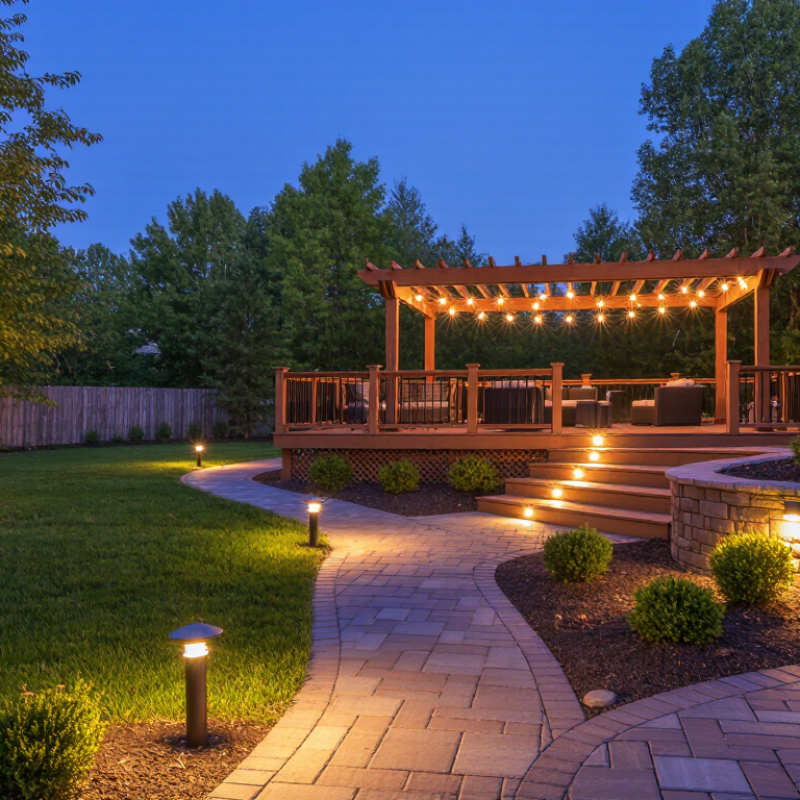
Common types include path lights, spotlights, floodlights, wall lights, step lights, string lights, and post lights. Each serves a different purpose. Path lights mark the edge of a walkway; spotlights draw attention to a tree or garden feature. Wall and step lights can help reveal changes in level, while string lights add a relaxed touch above a deck. Not every yard needs every type. Too many fixtures can create glare, uneven brightness, or a look that feels busy.

A useful plan starts with a simple walk around the property at dusk. Notice dark corners, awkward transitions, and features worth highlighting. Then consider fixture placement, brightness, power source, weather exposure, and maintenance. Outdoor-rated products and careful installation support dependable use, but product labels and local conditions should be checked before buying. I have found that a modest setup can work well; more light is not always better. Some shadows are useful, too. The sections ahead compare popular lighting types, explain where each works best, and help you choose a balanced approach for your outdoor space.
What Are the Top Types of Outdoor Lighting?

Core Categories of Outdoor Lighting

What Are the Top Types of Outdoor Lighting?

Core Categories of Outdoor Lighting

Outdoor lighting usually falls into four core categories: ambient, task, accent, and security lighting. Ambient fixtures create overall visibility across patios, entrances, and garden paths. Task lighting focuses on specific actions, such as cooking, reading, or using stairs. Accent lighting highlights trees, textured walls, sculptures, or architectural details. Security lighting covers wider areas with motion detection or controlled brightness. The U.S. Department of Energy’s Solid-State Lighting R&D Opportunities report states that LED systems can reduce lighting energy use by 50% or more compared with older technologies.

Each category needs a different beam pattern and mounting height. Path lights should spread soft light across walking surfaces, not shine directly into faces. Wall-mounted fixtures can improve entry visibility, but poor placement creates harsh glare. In field inspections, excessive brightness remains a common mistake. More light does not always mean better safety. The Illuminating Engineering Society recommends evaluating uniformity, glare, color appearance, and visual comfort together. I sometimes find that decorative lighting receives too much attention, while dark stair edges remain overlooked.

Tips: Start with a simple lighting plan. Mark doors, steps, seating zones, and planting features. Use warm color temperatures for relaxed areas, then choose stronger light near entrances. Check the fixture’s IP rating for rain exposure. Test the system after sunset. Shadows may reveal problems that daytime planning misses. A small adjustment can matter.

Pathway and Area Lighting for Safe Movement

Pathway and area lighting do more than decorate an outdoor space. They help people read steps, edges, and changes in ground level after sunset. In my experience, soft, evenly spaced pathway fixtures feel safer than a few intense lights. Harsh brightness can create deep shadows. It can also hide obstacles between fixtures.

Place pathway lights beside walkways, stairs, and driveways, but avoid lining them in a rigid runway pattern. Staggered placement usually spreads light more naturally. Keep fixtures low enough to reduce glare into people’s eyes. Aim the beam toward the walking surface, not nearby windows. Check the path at night after installation. Wet paving may reflect light differently, and one dark corner can remain surprisingly unsafe.

Area lighting works well near entrances, patios, parking spaces, and larger garden zones. Use broader, controlled beams for visibility without flooding neighboring properties. Motion sensors can support occasional movement, though poor positioning may trigger them constantly. Weather-resistant housings are essential outdoors, especially where rain, dust, or irrigation reaches the fittings. Electrical connections should follow local safety requirements and be checked by a qualified professional. I still think lighting plans are often judged too quickly during daylight. Night testing reveals the flaws. A brighter lamp is not always the better choice.

Wall-Mounted, Entryway, and Security Lighting

What Are the Top Types of Outdoor Lighting?

Wall-mounted lighting shapes how a home feels after sunset. A fixture beside a side door can reveal steps, locks, and uneven paving. Use warm, gentle light near living areas, usually around 2700K to 3000K. Shielded designs reduce glare for neighbors and passing drivers. Mount lights near eye level, but check the door hardware before drilling. Small placement mistakes can create surprisingly dark corners.

Entryway lighting needs both welcome and control. Place matching fixtures on both sides of a wide door when possible. A centered ceiling fixture can work beneath a porch, especially where wall space is limited. Choose weather-resistant construction, and inspect seals after harsh seasons. Water often finds weaknesses that look minor at installation. I once underestimated how much a roof overhang changed the light pattern. The doorway looked bright, but the steps remained dim.

Security lighting serves a different purpose. Motion-activated fixtures can illuminate gates, driveways, and hidden paths when movement occurs. Aim them downward to reduce glare and avoid shining into bedrooms. Adjustable sensitivity helps prevent constant activation from small animals or tree branches. Keep essential routes softly lit, even when sensors are idle. Local electrical rules may require qualified installation, particularly with new wiring or outdoor connections. No arrangement is perfect; observe the area at night and adjust after real use.

What Are the Top Types of Outdoor Lighting? - Wall-Mounted, Entryway, and Security Lighting

Lighting Type Primary Purpose Common Placement Typical Brightness Recommended Color Temperature Activation and Controls Main Advantages Important Considerations
Wall-Mounted Lighting General outdoor illumination, architectural accent lighting, and improved visibility beside buildings. Exterior walls, garages, patios, side entrances, porches, and walkways beside a structure. Approximately 300–1,200 lumens per fixture, depending on the area and light distribution. 2,700–3,500 K for a warm, comfortable appearance; higher temperatures provide a cooler, crisper look. Wall switch, timer, dusk-to-dawn photocell, or motion sensor. Provides practical light while highlighting exterior walls and improving nighttime navigation. Choose a weather-resistant fixture with suitable light shielding to reduce glare and light spill.
Entryway Lighting Illuminating doors, steps, locks, house numbers, and visitors approaching an entrance. Front doors, back doors, porch ceilings, covered entries, and steps leading to entrances. Approximately 200–800 lumens per fixture; additional fixtures may be needed for wide entrances or steps. 2,700–3,000 K is commonly preferred for a welcoming residential appearance. Wall switch, timer, dusk-to-dawn sensor, or low-level photocell operation. Improves facial visibility, helps reduce trip hazards, and makes entrances easier to use after dark. Avoid placing the light where it creates direct glare at eye level; use downward or shielded illumination near steps.
Security Lighting Increasing visibility around vulnerable areas and drawing attention to unexpected movement. Driveways, garages, rear yards, side passages, gates, storage areas, and large exterior spaces. Approximately 700–3,000+ lumens per fixture, based on coverage area, mounting height, and beam angle. 3,000–5,000 K for clearer contrast and visibility; warmer light may reduce harsh appearance and glare. Motion sensor, dusk-to-dawn photocell, manual override, timer, or integrated camera system. Can provide broad-area illumination and activate only when movement is detected, helping limit unnecessary operation. Aim the beam carefully to avoid disturbing neighbors, shining into windows, or creating excessive glare.
Pathway and Step Lighting Guiding pedestrians and making changes in elevation easier to see. Garden paths, stairs, ramps, retaining walls, and transitions between outdoor levels. Approximately 50–300 lumens per fixture, depending on spacing and surrounding darkness. 2,700–3,000 K for comfortable, low-glare wayfinding. Timer, photocell, smart control, or low-voltage transformer system. Creates consistent guidance and can emphasize landscaping without requiring high output. Use even spacing and shielded optics so the path is lit without producing bright spots or glare.
Flood and Area Lighting Lighting broad outdoor zones for activities, maintenance, parking, or general visibility. Large yards, driveways, loading areas, sports spaces, workshops, and open commercial or residential grounds. Approximately 1,000–5,000+ lumens per fixture, depending on mounting height and coverage requirements. 3,000–4,000 K for a balance between visibility and visual comfort. Manual switch, timer, photocell, motion sensor, or smart lighting control. Covers large areas with fewer fixtures and supports outdoor work or recreational activities. Select the beam angle and mounting position carefully to control shadows, glare, and light trespass.

Note: Brightness figures are typical planning ranges. Actual requirements vary with mounting height, fixture efficiency, beam angle, surface reflectance, local regulations, and the desired lighting level.

Landscape and Architectural Accent Lighting

What Are the Top Types of Outdoor Lighting?

Landscape and architectural accent lighting can turn an ordinary exterior into a readable nighttime space. Landscape lighting highlights trees, steps, planting beds, and water features. Architectural accent lighting reveals columns, textured walls, entries, and rooflines. I usually begin with the walking route, not the fixture. A warm, low beam beside a path feels safer than a bright lamp aimed directly at someone’s eyes.

The U.S. Department of Energy’s 2020 Solid-State Lighting forecast identifies LEDs as a major route to lower lighting energy use and longer service life. However, efficiency alone does not create good design. A narrow beam can emphasize a tree trunk, while a wider beam can wash a stone wall evenly. Shielding matters. Poorly aimed fixtures create glare, reflections, and dark gaps between bright areas. I still get this wrong sometimes, especially when a surface looks different after rain.

DarkSky International and the International Astronomical Union have cited research showing that more than 80% of the global population lives under light-polluted skies. That makes controlled illumination increasingly important. Use timers, dimming, and motion sensors where suitable. Keep light below eye level near seating and walkways. The CIE 150:2017 guidance also addresses obtrusive light, including spill toward neighboring properties and the sky. A modest accent often works better than a flood. Night scenes need restraint.

Top Types of Outdoor Lighting: Landscape and Architectural Accent Lighting

Typical target illuminance ranges help show how outdoor lighting levels vary by application. Lower levels generally suit pathways and landscape accents, while steps and architectural façades often require higher illumination for visibility and emphasis.

Solar, String, and Smart Outdoor Lighting

What Are the Top Types of Outdoor Lighting?

Solar, String, and Smart Outdoor Lighting

Solar outdoor lights work well along paths, garden edges, and remote corners. They charge during daylight and need no outdoor wiring. Place panels where trees or walls will not block afternoon sun. In my experience, winter performance can disappoint because shorter days reduce charging time. Clean the panel regularly. A thin layer of dust matters more than expected.

String lighting creates a softer atmosphere around patios, balconies, and pergolas. Use outdoor-rated cables, sealed sockets, and strong mounting points. Leave slight slack between supports to reduce tension during wind. Warm white bulbs usually feel comfortable, while cool white light can look harsh near seating areas. One mistake is hanging lights too low. People may brush against them.

Smart outdoor lighting adds scheduling, dimming, motion sensing, and remote control. Choose fixtures with suitable weather protection for their location. A covered porch and an exposed wall face different conditions. Set motion lights carefully, or passing animals may trigger them all night. Voice control sounds convenient, but it should not replace a physical switch. Network failures happen. I still prefer simple manual access near doors. Good lighting should reveal steps, edges, and slippery surfaces without shining directly into neighbors’ windows. Consider glare at eye level, especially beside driveways.

x