What Are the Top Taped Litz Wire Types in 2026?
In 2026, the right taped litz wire depends on the operating conditions, not just a product label. Tape material, layer count, overlap, and finished diameter can all affect insulation, flexibility, and winding fit. Polyester film is often considered for compact designs, while polyimide may suit applications that require greater heat resistance. PTFE and aramid-based tapes can also be relevant when specific electrical, thermal, or handling requirements apply. Performance varies by construction and supplier.
There is no universal winner. Not quite. A transformer or motor designer must compare the wire’s temperature rating, dielectric requirements, bend radius, and available winding space with the equipment’s actual duty cycle. A thick, tightly wrapped bundle may offer useful coverage but prove harder to wind around a small bobbin. A thinner wrap may save space, yet its suitability depends on verified insulation data and manufacturing consistency. Details matter.
This overview explores the leading taped litz wire types and the trade-offs behind them. It also distinguishes tape materials from wrapping styles, since those terms are sometimes mixed in product descriptions. Readers should treat rankings as a starting point, not a specification. Confirm dimensions, test data, and compatibility with the supplier before selecting a design. Real-world performance deserves a closer look.
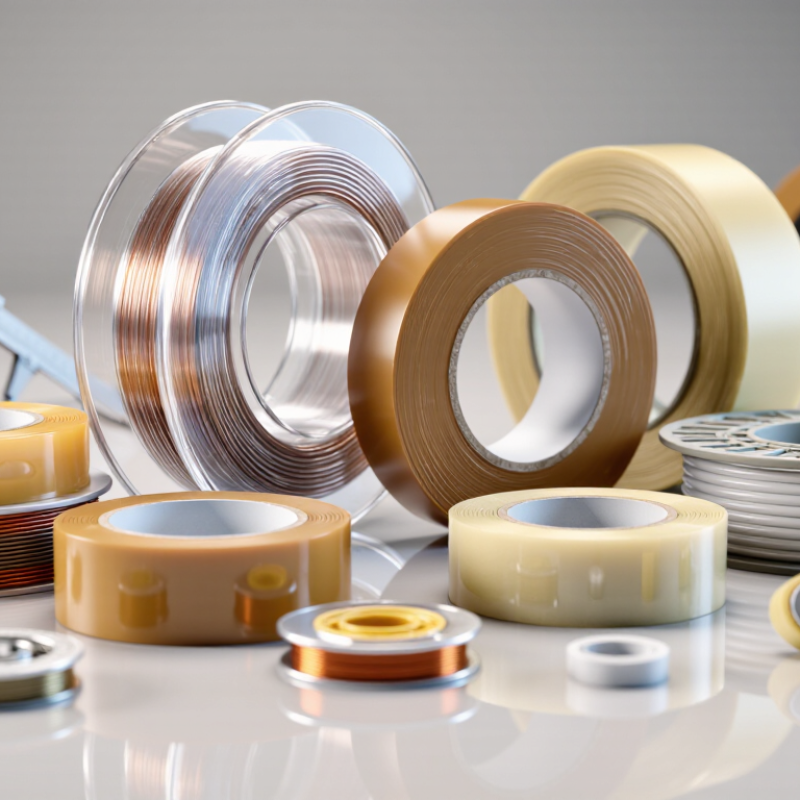
How Taped Litz Is Classified: Strand Diameter, Bunching, and Tape Coverage
Taped litz wire is best compared through three construction details, not a catchy type name. The first is individual strand diameter, usually stated in millimeters or gauge. Finer strands can help limit skin-effect losses at higher frequencies, but they increase strand count and may make termination harder. There is a trade-off. Actual performance also depends on frequency, insulation, and winding geometry.
Bunching describes how insulated strands are gathered and twisted into a cable. A simple bundle may be flexible, while carefully transposed strands can help distribute current more evenly. Look for details such as strand count, bunching pitch, and finished conductor size. These numbers matter. Two wires with similar outside diameters may have very different internal constructions.
Tape coverage is another useful classification point. Tape may wrap the bundle with a specified overlap, or cover it more loosely; the choice affects handling, insulation, and finished size. Check the tape material, layer count, and coverage specification rather than assuming “fully taped” means the same thing across suppliers. One limitation: labels are not always standardized, so a drawing or written construction schedule is more dependable than a broad product category. A close fit on paper can still be awkward in a real winding.
Common Taped Litz Wire Classifications in 2026
Strand diameter is one practical way to compare taped Litz constructions. The chart shows representative design points, not a market ranking or a universal specification.
Strand diameter Finer strands can help limit skin-effect losses at higher frequencies; the best choice depends on operating frequency and design requirements.
Bunching Strands are grouped and transposed to distribute their positions within the bundle. Strand count and bunching pattern vary by construction.
Tape coverage Tape material, width, and wrap overlap determine coverage and insulation build. These are specified for the application rather than fixed by strand class.
The 50, 100, and 200 μm values are representative examples for illustrating strand-size classes; actual constructions vary.
PET-Taped Litz: Common 155°C-Class Magnet-Winding Systems
PET-taped litz wire is used in magnet windings where flexible conductors and a protective outer wrap are useful. Its many individually insulated strands can help limit some high-frequency current losses compared with a solid conductor. The PET tape holds the bundle together and provides a smooth surface for handling. It is not, by itself, proof of a 155°C rating.
In a common 155°C-class insulation system, the wire, strand insulation, tape, varnish, and other materials must work together at the intended operating temperature. Check the system’s documented thermal rating rather than relying on the tape type alone. During winding, a snug, even wrap can reduce loose fibers and help the coil keep its shape. Small details matter. Sharp guides or tight bends may scuff the tape, even when the wire looks sound on the spool.
For a transformer or inductor, confirm the finished wire’s overall diameter, strand count, and winding-space fit before production. Also verify that the insulation remains compatible with the impregnation varnish and termination process. A sample coil can reveal issues that a specification sheet misses, such as awkward lead handling or abrasion at a bobbin edge. It is tempting to treat PET tape as a simple upgrade; in practice, winding quality and the complete insulation system deserve equal attention.
Polyimide- and Aramid-Taped Litz: Typical 220°C-Class Insulation Systems
What Are the Top Taped Litz Wire Types in 2026?
Polyimide- and Aramid-Taped Litz: Typical 220°C-Class Insulation Systems
Polyimide- and aramid-taped Litz wire are common choices for demanding, high-temperature windings. Polyimide tape offers a thin, flexible wrap that can help preserve a compact bundle profile. Aramid tape is valued for its strength and resistance to abrasion. Both can suit designs described as 220°C-class, but the rating depends on the complete insulation system, not tape alone. Check the conductor insulation, tape, impregnation resin, and test conditions. A temperature class is not a blanket promise of continuous operation at that temperature.
Tips: Confirm the supplier’s thermal-class data and minimum bend radius. Inspect tape overlap and bundle edges before winding. Small gaps matter.
In practice, a tightly wound coil may stress tape at corners or where the bundle crosses a slot edge. A smooth guide and controlled winding tension help reduce damage. The details are easy to underestimate. Polyimide may be preferable when space is tight; aramid may help where handling strength matters. Still, neither choice is automatically better. Prototype the actual winding, then check for scuffs, loosened wraps, and insulation breakdown after relevant thermal and electrical tests. One overlooked variable is the finishing process, which can change how the wrapped bundle behaves.
Compare Glass-Fiber and PTFE Wraps for Thermal and Dielectric Demands
What Are the Top Taped Litz Wire Types in 2026?
Compare Glass-Fiber and PTFE Wraps for Thermal and Dielectric Demands
For taped litz wire, the wrap is part of the insulation system, not just a protective layer. Glass-fiber tape suits designs facing sustained heat, handling stress, or abrasion. Its woven texture can hold an impregnation coating, but it may add bulk and needs careful coverage. PTFE tape offers strong dielectric performance, low moisture uptake, and a smooth surface. It can be useful where compact winding and electrical separation matter. Neither option is automatically best. Tape grade, overlap, conductor temperature, and manufacturing process all affect performance.
In a hot, tightly packed coil, glass fiber can provide a reassuring physical barrier. PTFE may be preferable when dielectric demands dominate, but the finished assembly still needs testing. A tape’s published temperature limit does not alone establish the rating of the complete wire. That detail is easy to miss. Engineers should compare insulation thickness, bend radius, voltage stress, and thermal aging under realistic conditions. A small overlap gap can undermine an otherwise sound design.
Tips: Ask for construction details and test data for the exact taped wire, not just the tape material. Check how the wrap behaves after winding and impregnation. If the application combines heat and high voltage, test both candidate wraps in a representative coil. Real results can be less tidy than the datasheet suggests.
Choose Tape by Frequency: Copper Skin Depth Is About 0.21 mm at 100 kHz
What Are the Top Taped Litz Wire Types in 2026?
At 100 kHz, copper skin depth is about 0.21 mm at 20°C. This estimate follows the standard skin-depth equation and copper resistivity data in NIST Handbook 100, Copper Wire Tables. It is a useful starting point, not a strand-size guarantee. Strand diameter, winding layers, and nearby conductors all affect AC losses. Dowell’s IEEE analysis of transformer windings describes how skin and proximity effects change with winding geometry. The details matter.
For taped Litz wire, fine-strand bundles with polyester tape can suit general insulation needs; polyimide tape is an option when higher thermal endurance is required. Tape does not reduce skin effect inside each strand. It changes insulation, bundle dimensions, and heat transfer. At 100 kHz, compare strand diameter with the 0.21 mm skin depth, then check measured loss and temperature rise in the actual winding. A calculation alone can miss the layout’s effects.
Tips: Ask suppliers for strand diameter, tape material, overlap, and thermal-class data. Check the coil at its intended frequency and current. Small setup differences matter. And tape can trap heat—an easy detail to overlook.