
Who Are the Top China Solids Control Agitator Suppliers?

Choosing the right Solids Control Agitator supplier can influence drilling efficiency, maintenance costs, and fluid consistency. This matters inside every mixing tank.

In field operations, agitators must keep barite, drilled solids, and chemical additives evenly suspended. A reliable unit should provide steady torque, suitable blade geometry, corrosion resistance, and simple access for inspection. Supplier evaluation should also include motor quality, gearbox design, sealing performance, spare-part availability, and technical support after installation. These details often matter more than a polished product brochure.

Dr. George E. King, a respected petroleum engineering consultant, has emphasized a practical principle: “Good solids control protects both drilling performance and equipment life.” That principle applies directly to agitator selection. A weak agitator may leave settled solids across the tank floor, creating heavy startup loads and uneven mud properties. The result can be visible: noisy motors, overheated gearboxes, clogged transfer lines, and longer cleaning shifts.

This guide examines leading China Solids Control Agitator suppliers through practical criteria rather than marketing claims. It considers manufacturing experience, customization capability, testing procedures, certifications, delivery reliability, and customer service. Some suppliers may offer lower prices, but lower cost is not always lower ownership cost. That assumption deserves scrutiny.

Real performance depends on tank size, fluid density, viscosity, operating temperature, and duty cycle. Buyers should request drawings, performance data, motor specifications, and reference projects before making a decision. No supplier is perfect. Even established manufacturers can miss application details when communication is rushed. The strongest choice is usually the supplier that asks precise questions, documents its design, and supports the equipment after commissioning.
Who Are the Top China Solids Control Agitator Suppliers?

Solids Control Agitators in China: Types, Functions, and Key Specifications

Who Are the Top China Solids Control Agitator Suppliers?

Solids Control Agitators in China: Types, Functions, and Key Specifications

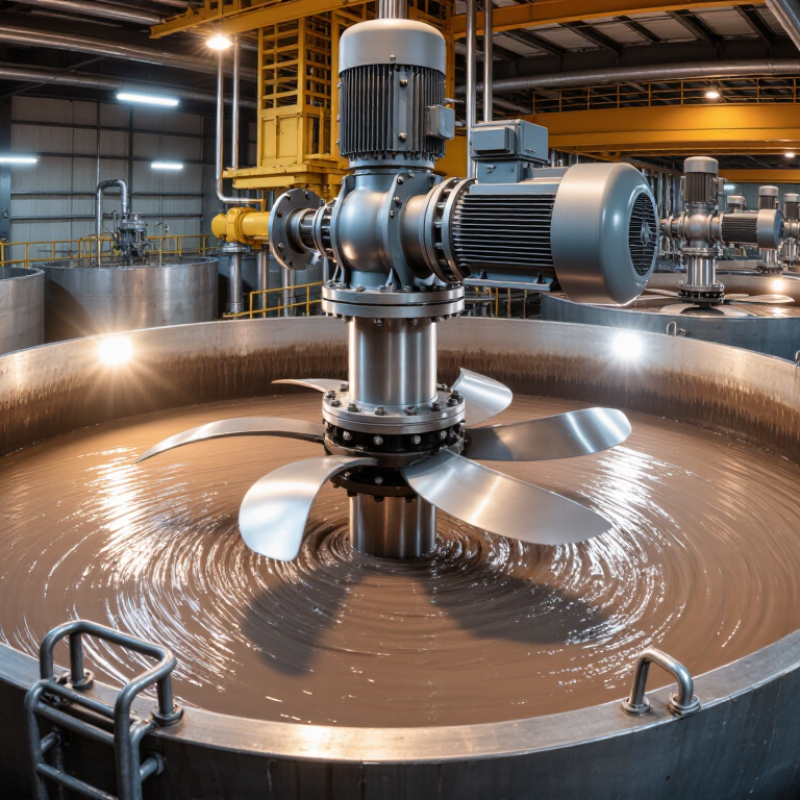
China’s leading solids control agitator suppliers usually offer vertical, horizontal, and side-entry designs. Each type suits different tank layouts and mixing duties. Vertical agitators work well in compact mud tanks. Horizontal models can provide stronger circulation in wider vessels. Side-entry units may simplify maintenance, but their seals need careful inspection.

An agitator keeps barite, drilled cuttings, and other solids suspended. It also helps maintain consistent mud density during circulation. Key specifications include motor power, shaft speed, impeller diameter, torque, tank capacity, and fluid viscosity. Gearbox quality matters under continuous loading. So do shaft material, seal construction, and corrosion resistance. A larger motor is not automatically better. Poor impeller selection can waste energy and create uneven flow.

Tips: Ask suppliers for performance curves, dimensional drawings, material certificates, and factory test records. Confirm the actual mud density and viscosity before choosing power. Check whether the supplier can provide spare seals, bearings, and technical support. Field experience suggests that easy access to the gearbox saves hours during maintenance. However, supplier documents can look complete while practical details remain unclear. Request videos of similar equipment running, and review commissioning procedures carefully. Good suppliers explain limitations instead of promising every result.

Typical China Solids Control Agitator Specifications

The chart presents representative engineering specifications commonly used when selecting drilling-fluid solids control agitators. Motor ratings follow commonly available IEC sizes, while the working-volume relationship is a practical reference range; final selection depends on mud density, viscosity, solids loading, tank geometry, impeller diameter, and required circulation intensity.

Top China Suppliers Ranked by 5.5–30 kW Drive Power and Tank Capacity

Who Are the Top China Solids Control Agitator Suppliers?

China’s leading solids control agitator suppliers are best ranked by drive power and tank capacity, not catalog size. For large mud systems, the strongest suppliers typically offer 22–30 kW drives for tanks holding 40–80 m³. These units support heavy barite loading and longer mixing cycles. Medium-duty suppliers usually provide 11–18.5 kW models for 20–40 m³ tanks. Smaller systems often use 5.5–7.5 kW drives below 20 m³.

This range matches field demand. Baker Hughes’ 2024 International Rig Count shows continued drilling activity across Asia and the Middle East. That supports demand for compact, serviceable equipment. However, rig counts do not measure agitator quality. They only indicate potential market pressure. A careful buyer should compare shaft diameter, impeller speed, seal design, and motor efficiency.

API Spec 13C testing principles also matter when agitators operate with weighted drilling fluids. Suppliers with documented factory testing deserve higher rankings. Ask for vibration records, power curves, material certificates, and tank-specific mixing data. In my experience, some suppliers quote maximum power without proving effective circulation. That is a weakness. A 30 kW motor may still perform poorly if the impeller sits too high or the tank has dead zones. Supplier ranking should therefore combine 5.5–30 kW capacity, tank volume, test evidence, spare-parts support, and response time.

Comparing Impeller Speed, Mixing Efficiency, and Solids Suspension Performance

Who Are the Top China Solids Control Agitator Suppliers?

Comparing impeller speed, mixing efficiency, and solids suspension performance requires more than reading an RPM figure. A faster impeller may create strong turbulence near the blades, yet leave quiet zones near tank corners. For fair testing, suppliers should use the same tank volume, fluid density, viscosity, and solids concentration. Otherwise, the comparison becomes unreliable.

A well-designed agitator balances speed with torque. Lower speeds can protect drilling fluid properties and reduce unnecessary energy use. Higher speeds may improve suspension, but they can also increase shear, heat, and power consumption.

Field checks should measure motor current, mixing time, and the depth of settled solids after shutdown. A practical trial might inspect the tank bottom after eight hours, not only during operation. Small details matter.

Mixing efficiency is visible in circulation patterns. Tracer tests, sampling at different heights, and visual checks can reveal dead zones. Suppliers with strong engineering practice should provide impeller diameter, tip speed, gearbox data, and test conditions. They should also explain how performance changes with heavier solids. I would not treat RPM alone as proof of quality. Earlier comparisons often focused too heavily on speed. That approach missed torque stability and uneven tank geometry. A reliable evaluation also considers maintenance access, seal protection, and performance after prolonged operation. Some test results still need questioning.

Supplier Evaluation Through API, ISO 9001, ATEX, and Export Certifications

Who Are the Top China Solids Control Agitator Suppliers?

Choosing a solids control agitator supplier requires more than comparing prices. API certification can indicate controlled manufacturing and inspection procedures. However, buyers should verify the certificate number, product scope, issuing body, and expiration date. ISO 9001 shows that a quality management system exists, but it does not guarantee perfect equipment. Ask for recent audit records and corrective-action evidence.

ATEX certification matters when agitators operate in potentially explosive atmospheres. Check the exact equipment category, gas or dust group, temperature class, and installation conditions. A certificate for one motor may not cover the complete agitator assembly. Export certifications also deserve close review. Confirm customs documents, electrical compliance, packing standards, and experience with your destination market. Shipment history can reveal practical reliability better than polished brochures. Site experience matters.

Tips: Request a complete technical file before ordering. Compare drawings, motor data, shaft materials, sealing methods, and spare-part lists. Ask for factory acceptance testing with vibration, rotation, and insulation checks. Video evidence helps, but witnessed testing is stronger. Speak with previous international customers when possible. Some suppliers respond quickly but provide incomplete records. That is a warning, not a minor inconvenience. Certification systems can change, and documents may become outdated. Recheck them before every major purchase.

How to Select a China Agitator Supplier for 20–40 m³ Mud Tanks

Among China-based solids control agitator suppliers, the strongest candidates begin with process data, not a catalog photo. For a 20–40 m³ mud tank, ask the supplier to calculate mixing duty from mud density, viscosity, solids loading, and tank geometry. A suitable agitator needs enough torque to prevent settled solids, especially after overnight shutdowns. Check impeller diameter, speed range, shaft length, motor rating, and gearbox service factor. Small errors become expensive.

Request drawings showing mounting height, nozzle clearance, rotation direction, and maintenance access. For field confidence, review test records or references from comparable 20–40 m³ tanks. A serious supplier should explain its material choices, weld quality controls, shaft alignment, and seal arrangement. Ask whether the unit was tested with water only or with representative drilling mud. Water tests are incomplete.

Compare more than price. Evaluate delivery control, spare-part availability, commissioning support, and response time after installation. Request clear documents, including datasheets, inspection records, motor certificates, operating limits, and warranty terms. I have seen technically sound agitators fail because suppliers underestimated abrasive solids or ignored local power conditions. That mistake deserves attention. Before ordering, request a written selection calculation and challenge every unexplained safety margin.

x