
10 Tips for Choosing the Right Electric Generator?

Choosing the right Electric Generator is not simply a matter of comparing wattage and price. A reliable choice begins with your actual power needs. List essential appliances, starting current, running watts, and expected outage length. A refrigerator may use modest power while running, yet demand more during startup. That detail can change your decision.

This guide presents 10 practical tips for evaluating generator size, fuel type, noise, portability, runtime, and maintenance. Real-world use matters. A compact inverter generator may suit a camping trip, but it may struggle with a well pump or central air conditioner. A larger standby unit can support a home more comfortably, although installation requires careful planning and qualified electrical work. Never rely on a vague “whole-house” claim without checking the load calculation.

Pay attention to fuel storage, cold-weather starting, ventilation, and carbon monoxide protection. Read the manufacturer’s manual, verify warranty coverage, and compare service availability in your area. Reputable certifications and current electrical guidance also deserve attention. They are not decorative labels.

Some choices remain imperfect. A quieter generator may cost more. A cheaper model may demand more maintenance. I have seen buyers focus on maximum output, then overlook fuel consumption and operating noise. That mistake is easy to make. These tips encourage a slower evaluation, with practical examples and honest trade-offs. Your best generator should match your equipment, environment, budget, and confidence in maintaining it safely.
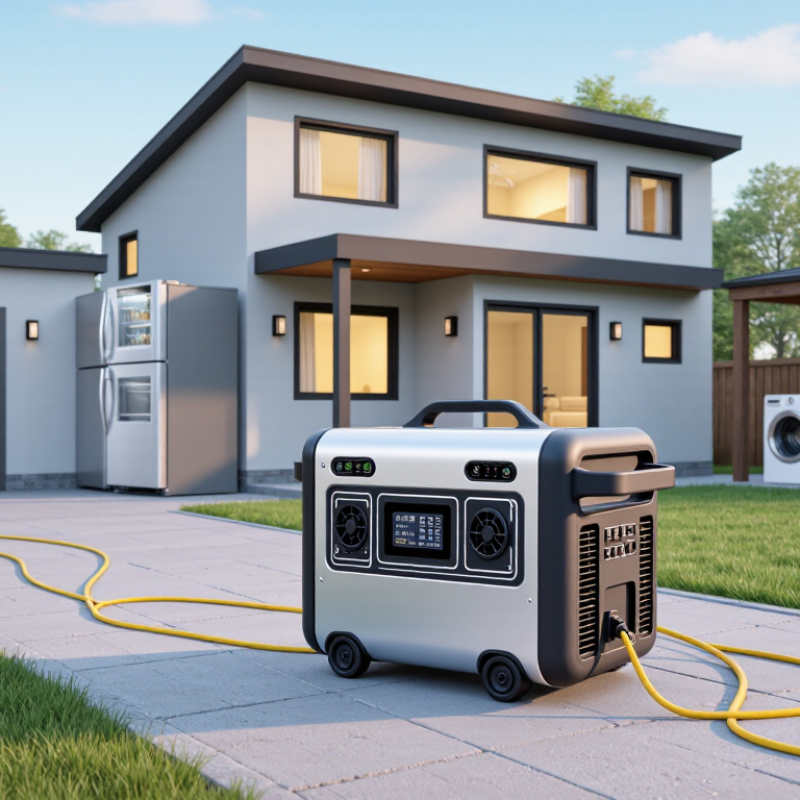
10 Tips for Choosing the Right Electric Generator?

Define Your Power Needs and Generator Purpose

Choosing an electric generator starts with purpose, not appearance or advertised maximum output.

A home backup unit may support a refrigerator, lights, router, and medical equipment. Confirm medical equipment compatibility with a qualified professional.

A jobsite model may need tools with powerful motors and repeated starting surges.

Camping demands quiet operation, manageable weight, and enough runtime for planned hours.

Write down every intended device. Record its running watts and starting watts. The starting figure is often missed.

Add running watts, then allow extra capacity for surge demand.

For example, a refrigerator rated at 700 running watts may briefly require 2,100 watts.

Use the appliance manual or a qualified electrician’s measurement when numbers seem uncertain.

That small check can prevent overloads and nuisance shutdowns.

Your purpose also determines the connection method. Emergency home use may require a properly installed transfer switch and selected essential circuits.

Have that work assessed by a qualified electrician.

Never connect a portable generator through a wall outlet. It can energize outside wiring and endanger utility workers.

Operate fuel-powered equipment outdoors, far from doors and windows, because carbon monoxide is invisible and deadly.

Even battery units need dry storage, safe cable routing, and ventilation around charging equipment.

I once underestimated a freezer’s startup demand and had to remove another load.

That mistake changed my planning: real measurements matter more than a neat spreadsheet. Oversizing can increase cost, noise, and wasted fuel.

Choose the Appropriate Generator Type and Fuel

When choosing an electric generator, match its type to the work it must perform. Portable models suit temporary outages, tools, and outdoor tasks. Standby units serve homes or facilities that need automatic backup power. Inverter generators usually provide cleaner, steadier electricity for sensitive devices. That difference matters for computers, medical equipment, and modern control systems. Check starting watts, not only running watts. Refrigerators, pumps, and motors can demand much more power during startup. Add their starting loads carefully. Leave a safety margin.

Fuel choice also affects cost, storage, noise, and readiness. Gasoline is widely available but degrades during long storage. Diesel often performs well under heavy loads, although its equipment may be larger and noisier. Propane stores longer and burns cleanly, but cold weather can reduce supply pressure. Natural gas offers convenient household connection, yet an outage may interrupt that service. I once underestimated refueling time during a long outage. It was an avoidable mistake. Fuel availability near your location deserves honest attention.

Store fuel only in approved containers and follow local fire requirements. Never operate a generator in a garage, shed, or enclosed porch. Exhaust gas can become deadly without warning. Keep the unit outdoors, away from doors and windows. Review the manual, grounding method, transfer equipment, and maintenance schedule. Test the generator under realistic loads before an emergency. A monthly test may reveal a weak battery, stale fuel, or an overloaded circuit. Safety devices should be checked, not simply trusted.

Compare Power Ratings, Runtime, and Fuel Efficiency

Choosing the right electric generator starts with real power needs, not the largest number on the package. List every appliance, its running watts, and its starting watts. Refrigerators, pumps, and compressors often need extra power for a few seconds. Add those peaks together, then keep a safety margin of at least 20 percent. A 2,000-watt generator may not handle a 1,500-watt motor safely.

Compare continuous output and surge output separately. The higher figure can look impressive, but continuous power controls everyday performance. Check the rated load, voltage stability, and available outlets. I once compared generators only by maximum wattage. That was a poor method. The quieter model with steadier output worked better for sensitive equipment, even though its peak rating was lower.

Runtime figures need careful reading. Ask how many hours the unit runs at 25, 50, or 75 percent load. A large fuel tank does not always mean better efficiency. Calculate fuel used per hour and, when possible, fuel used per kilowatt-hour. Test results can change with temperature, altitude, fuel quality, and maintenance. Read independent measurements, not only advertisements. Track your own fuel use with a simple container and a timer. Small details matter. Also inspect automatic load control, which can reduce consumption when demand falls. However, fuel-saving modes may respond slowly to sudden motor starts. That trade-off deserves attention.

10 Tips for Choosing the Right Electric Generator

Compare rated power, runtime, and fuel efficiency before choosing a generator. The comparison below uses typical portable-generator performance at 50% load; actual results vary with load, fuel type, temperature, and maintenance.

How to read the chart: Choose a rated output that exceeds your essential load, prioritize longer runtime for extended use, and look for lower fuel consumption per kilowatt-hour for better operating efficiency.

Evaluate Safety Features, Noise Levels, and Portability

Choosing the right electric generator starts with safety, not wattage. Look for automatic carbon-monoxide shutdown, overload protection, circuit breakers, and ground-fault protection. The U.S. Consumer Product Safety Commission has repeatedly linked portable generators with fatal carbon-monoxide incidents, especially when used indoors or near openings. Keep the unit outdoors, far from doors and windows. Never improvise here. A transfer switch should be installed by a qualified electrician. Check fuel hoses, guards, warning labels, and maintenance access before buying. These details feel boring until something fails.

Noise deserves a measurement, not a promise. Compare the rated sound level in decibels and confirm the testing distance. WHO’s Environmental Noise Guidelines identify 45 dB outdoors at night as a health-protective target, although generators commonly exceed it. NIOSH recommends limiting occupational exposure near 85 dBA over an eight-hour workday. Choose a lower-noise model for campsites, workshops, or neighborhoods. Still, quiet is not silent. I would test one several meters away, if possible, because brochures can flatter performance. Consider portability carefully: total weight, wheel size, handle grip, lifting points, fuel capacity, and runtime all matter. A compact frame may be awkward on gravel. A larger tank adds endurance but makes loading harder. Check the outlet layout, weather resistance, and whether extension cables can remain untangled. Small oversights can become expensive lessons.

Check Maintenance Needs, Costs, Warranty, and Local Regulations

Choosing the Right Electric Generator: Maintenance, Cost, Warranty, and Regulations

Maintenance should influence your generator choice as much as power output. Ask for the service schedule in writing. Check oil changes, battery inspections, filter replacements, and annual load testing. A unit in a dusty garage may need attention more often than one in a clean utility room. Keep clear records. They reveal rising costs before failures occur. It is easy to underestimate maintenance time.

Compare the purchase price with fuel use, installation, servicing, and replacement parts. A cheaper generator can become expensive after several years. Request a written warranty and ask what it excludes. Does coverage include labor, batteries, corrosion, and emergency callouts? Confirm who performs repairs and how quickly parts are available. Read every condition. A warranty may look generous but offer limited practical help.

Local regulations can affect the entire installation. Check permit requirements, noise limits, emissions rules, fuel storage standards, and minimum distances from doors or windows. A licensed electrician should verify the transfer switch and grounding system. Never connect a generator directly to household wiring without approved equipment. That mistake can endanger utility workers and residents. Regulations vary by location, and online advice may be outdated. Contact the local authority before buying. No checklist is perfect. A final site inspection can still expose problems you missed.

x