Choosing the right cable ties begins with the application, not the lowest unit price. A tie holding a small sensor harness differs from one securing cables beside a hot engine. Diameter, bundle weight, tensile strength, temperature, ultraviolet exposure, chemicals, and installation method all matter. The wrong choice can leave sharp edges, crushed insulation, or a brittle strap on the floor.
Market evidence supports this practical focus. Grand View Research reports continued growth in the global cable ties market, driven by construction, automotive, electronics, and industrial equipment demand. MarketsandMarkets also identifies nylon and specialty materials as important product segments, especially where heat, moisture, or chemical resistance is required. These reports describe market direction. They do not replace a site inspection. That distinction matters.
Maurus C. Logan, the Thomas & Betts engineer credited with inventing the modern cable tie, described his patented design as “adapted to be quickly and easily applied.” That principle still guides selection. A tie should install smoothly, lock securely, and remain stable throughout its service life. Check the manufacturer’s tensile rating and temperature range. Then test the actual bundle, including its bend radius and surface texture. A simple sample trial can reveal problems that a catalogue hides.
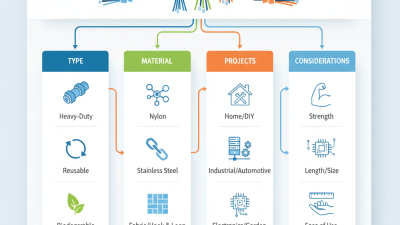
This guide compares nylon, UV-resistant, stainless-steel, releasable, and heat-stabilized cable ties. It also considers width, length, color, tools, and standards. Some recommendations will remain conditional. Real installations are rarely perfect. A stronger tie is not always the better tie.
How to Choose the Right Cable Ties for Your Needs?
Understanding Cable Tie Types and Their Basic Functions
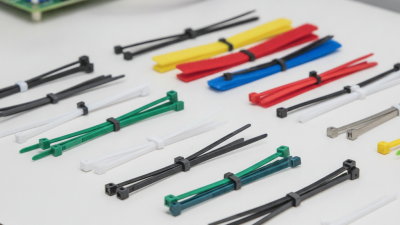
Cable ties look simple, but each type serves a different installation need. Standard nylon ties organize wires into neat bundles and suit dry, indoor areas. Releasable ties include a small locking tab, allowing temporary adjustments without cutting the tie. Push-mount ties combine bundling with panel attachment. They work well inside vehicles, cabinets, and equipment frames.
Material and environment matter greatly. UV-resistant nylon performs better outdoors, where sunlight can make ordinary plastic brittle. Stainless steel ties handle high heat, sharp edges, and demanding industrial conditions. For wet spaces, select ties with suitable resistance to moisture and chemicals. Always check the temperature range and tensile strength before installation. The strongest tie is not always the best tie.
Measure the bundle before choosing its length. Leave slight room around the cables, but avoid excessive slack that permits movement. Tightening too hard can crush insulation or restrict flexible wires. A flush-cut head creates a cleaner finish and reduces sharp edges. This detail is easy to overlook. I have found that installers often focus on appearance and forget future maintenance. A secure bundle should remain accessible, identifiable, and safe to adjust. Review the cable material, bundle diameter, mounting method, and surrounding conditions together before making a selection.
How to Choose the Right Cable Ties for Your Needs?
Choosing cable ties starts with the environment, not the package label. In field installations, I have seen ordinary nylon ties become brittle near sunny windows. Material selection should match heat, moisture, chemicals, and ultraviolet exposure. Standard nylon suits dry indoor routing and moderate temperatures. For outdoor use, UV-stabilized nylon usually lasts longer. Stainless steel handles heat, abrasion, and demanding industrial locations. It can still corrode under unsuitable chemical exposure. No material is universal.
Strength depends on more than the advertised tensile rating. Check bundle diameter, edge design, locking-head quality, and installation tension. A tie pulled too tightly may crush insulation or weaken a cable jacket. Leave some movement for vibration and thermal expansion. Wider ties distribute pressure better across soft or grouped cables. For heavy bundles, test a sample under realistic load. Laboratory figures do not fully represent dusty, wet, or vibrating sites. That distinction matters.
Inspect the locking mechanism before installation. Reject ties with cracked heads, uneven teeth, or rough flashing. Use a calibrated tensioning tool when repeatability matters. I once treated “weather resistant” as a complete answer; it was not. Ask how long exposure lasts, what chemicals are present, and whether replacement is practical. Record the chosen material and test conditions. A small trial section can reveal failures early, although it cannot predict every season. Good selection is careful, not perfect.
Material, strength, and environmental requirements compared using typical engineering reference values.
Standard nylon 6/6 is suitable for general indoor applications, while UV-stabilized nylon is better for outdoor exposure. Polypropylene offers improved chemical and moisture resistance, whereas ETFE is selected for demanding temperature and chemical environments. Tensile strength values shown are representative values for approximately 4.8 mm cable ties; always verify the manufacturer's specification for the exact product and installation conditions.
Choosing the correct cable tie starts with size, not color. Measure the bundle’s maximum diameter, then add room for movement. A tie should close firmly without crushing insulation. For example, a 10 mm bundle needs more than a 10 mm nominal tie length.
Tensile strength also matters. Lightweight nylon ties suit indoor signal cables, while heavier bundles need higher-rated products. MarketsandMarkets’ 2024 Cable Management Market report estimates growth from about USD 23 billion in 2024 to USD 35 billion by 2029. That expansion reflects more complex wiring systems, not simply higher tie consumption. IEC 62275:2022 provides guidance on cable ties, including mechanical performance and environmental suitability. Check the listed temperature range, UV resistance, and flammability rating before installation.
Design affects maintenance. A releasable tie helps during testing, while a permanent tie suits stable cabinet layouts. Push-mount designs work well on panels, but the mounting hole must match the specified diameter. Adhesive mounts can fail on dusty or oily surfaces. Clean the surface first. Always leave the locking head accessible. Field technicians often regret hidden fasteners during repairs.
Material selection deserves more attention than it receives. Standard nylon can become brittle under sunlight or repeated heat cycles. A UV-stabilized formulation may last longer outdoors, but it is not automatically suitable for every chemical environment. The U.S. Department of Energy’s 2023 report on building energy use highlights the growing complexity of electrical systems. More cables mean more inspection points. I still see installers choosing by length alone. That shortcut is convenient, but it is not reliable.
How to Choose the Right Cable Ties for Your Needs?
Matching Cable Ties to Indoor, Outdoor, and Specialized Applications
Choosing cable ties starts with the environment, not the cable bundle. Indoors, standard nylon ties often suit control panels, desks, and equipment racks. They keep wires organized without adding unnecessary cost. Check the temperature range before installation. A warm cabinet can weaken unsuitable plastic over time.
Outdoor work demands more resistance. Sunlight, rain, dust, and seasonal temperature changes can quickly damage ordinary ties. Look for UV-resistant material and a strong locking head. Stainless steel options may suit exposed roofs, signs, or industrial frames. Leave slight space around the bundle. Overtightening can crush insulation.
Specialized applications require closer inspection. High-temperature areas need heat-resistant materials near engines, heaters, or processing equipment. Chemical environments may require ties tested against oils, solvents, or cleaning agents. In vibration-heavy locations, choose a secure design and inspect it regularly. For temporary work, releasable ties can save time, but they may not hold as firmly.
I once selected ties by width alone. That was a mistake. The bundle looked neat, yet the ties became brittle outdoors. A practical check includes load capacity, operating temperature, exposure, and installation method. Confirm technical data from the manufacturer, and test a small section when conditions are uncertain. Some applications need a better solution than a tighter tie.
| Application | Recommended Cable Tie Type | Common Material | Typical Temperature Range | Typical Tensile Strength | Key Advantages | Important Selection Notes |
|---|---|---|---|---|---|---|
| Indoor electrical wiring | Standard non-releasable cable ties | Nylon 6/6 | Approximately −40°C to 85°C | About 8–80 kg, depending on width and design | Economical, lightweight, easy to install, and widely available | Use only in dry, low-UV environments. Select the smallest tie that meets the required bundle diameter and load. |
| Indoor cable management with frequent changes | Releasable cable ties | Nylon 6/6 | Approximately −40°C to 85°C | About 8–55 kg, depending on size | Can be opened and reused during maintenance or equipment upgrades | Do not use a releasable design where vibration or safety requirements demand a permanent locking mechanism. |
| Outdoor general-purpose installations | UV-resistant cable ties | UV-stabilized nylon 6/6 | Approximately −40°C to 85°C | About 8–80 kg, depending on width and design | Improved resistance to sunlight and outdoor weathering | Black UV-stabilized nylon generally performs better outdoors than natural, unpigmented nylon. Inspect periodically in harsh climates. |
| High-moisture or chemical-contact areas | Moisture- and chemical-resistant cable ties | Polypropylene (PP) | Approximately −20°C to 90°C | About 8–45 kg, depending on size | Low moisture absorption and good resistance to many acids and bases | Verify compatibility with oils, solvents, concentrated chemicals, and long-term outdoor exposure before use. |
| High-temperature equipment | High-temperature cable ties | ETFE or heat-stabilized engineering polymer | ETFE: approximately −80°C to 170°C | Often about 8–55 kg, depending on design | Better thermal, chemical, and electrical performance than standard nylon | Choose a temperature rating above the continuous operating temperature, not merely the short-term peak. |
| Very high-temperature or demanding chemical environments | Premium engineering-polymer cable ties | PEEK | Approximately −55°C to 250°C | Varies widely by geometry; commonly lower than equivalent metal ties | Excellent heat, radiation, wear, and chemical resistance | Use when performance justifies the higher material cost. Confirm resistance to the specific chemicals and exposure time. |
| Heavy-duty outdoor, industrial, or marine applications | Metal locking cable ties | Stainless steel 304 or 316 | Approximately −80°C to 538°C, depending on grade and design | Often about 45–160 kg, depending on width and thickness | High strength, excellent UV resistance, and strong fire and heat performance | Use 316 stainless steel for improved resistance in saltwater or chloride-rich environments. Prevent sharp edges from contacting cables. |
| Electrical and electronic assemblies | Flame-retardant or low-smoke cable ties | Flame-retardant nylon 6/6 | Typically approximately −40°C to 85°C | About 8–80 kg, depending on size | Improved fire behavior and suitability for controlled electrical installations | Look for the required flammability classification, such as UL 94 V-2 or V-0, and confirm the applicable electrical code. |
| Automotive and engine-compartment wiring | Heat-resistant, vibration-resistant cable ties | Heat-stabilized nylon, ETFE, or metal | Approximately 105°C to 170°C, depending on material | About 8–80 kg for polymer types; higher for metal designs | Resists vibration, elevated temperatures, and automotive fluids when correctly specified | Check resistance to engine oil, fuel, coolant, and road chemicals. Avoid placing ties directly against hot exhaust components. |
| Cleanroom, food-processing, or hygiene-sensitive areas | Detectable or smooth-surface cable ties | Metal-detectable polymer or stainless steel | Varies by material; commonly approximately −40°C to 85°C for polymer types | About 8–80 kg for polymer types; higher for metal designs | Supports contamination-control procedures and easier inspection | Confirm detectability, cleanability, chemical compatibility, and any required food-contact or hygiene certification. |
Selection reminder: The values shown are typical ranges and can vary by tie width, length, locking-head design, material grade, installation method, and testing standard. Always verify the manufacturer’s technical data for the exact operating environment.
Choosing cable ties starts with safety, not color or price. Check the bundle’s weight, cable insulation, and surrounding temperature. A tie that feels strong may still fail under heat, sunlight, or chemical exposure. Use materials rated for the actual environment. Indoor ties may become brittle outdoors. Sharp edges can also cut into insulation, creating a hidden hazard.
Durability depends on more than tensile strength. Look for resistance to ultraviolet light, moisture, abrasion, and temperature changes. For critical installations, review test data and traceable product information. Requirements may differ across regions and industries, so verify the relevant electrical, fire, and safety standards before purchasing. Compliance marks deserve attention. They are useful, but they should not replace technical evidence.
Installation quality matters just as much. Select the correct length and width, leaving enough room for a secure lock. Pull the tie firmly, but avoid crushing the cable jacket. A calibrated tensioning tool can improve consistency. Cut the tail flush with a proper cutter, not with a blade or side pressure. Inspect the finished bundle for sharp points, loose ties, and excessive bending. A neat bundle can still be wrong. In practice, installers sometimes choose oversized ties for convenience, which can create poor tension and wasted material. Recheck the installation after vibration, heat cycling, or maintenance work.