China Best CNC Aluminum Profile Supplier for Global Buyers
China has become a major source of reliable Cnc Aluminum Profile solutions for global manufacturers. Its extrusion plants now combine automated billet heating, precision dies, CNC machining, and strict dimensional inspection. These capabilities support frames, machine guards, solar structures, conveyor systems, and industrial enclosures.
“Quality is not an act; it is a habit,” said Aristotle, a principle that reflects the discipline required in aluminum profile production. Although he was not a modern CNC specialist, his words remain relevant to every serious supplier. Consistent wall thickness, clean anodized surfaces, accurate drilling, and protected packaging cannot depend on one final inspection. They must be built into each production stage.
Experienced buyers usually examine more than price. They review alloy grades, temper conditions, profile tolerances, tooling experience, machining records, and export packaging. A dependable Chinese supplier should provide samples, inspection reports, clear drawings, and traceable communication. Small details matter. A scratched corner can delay assembly. A one-millimeter error can affect an entire production line.
However, no supplier is perfect. Even a capable factory may face die wear, material variation, or shipment pressure. That reality deserves attention. The strongest partnerships include technical reviews, sample approval, corrective actions, and honest delivery updates. For global buyers, choosing the best Cnc Aluminum Profile supplier means balancing engineering ability, manufacturing experience, documentation, and long-term reliability. Low cost helps. Predictable performance matters more.
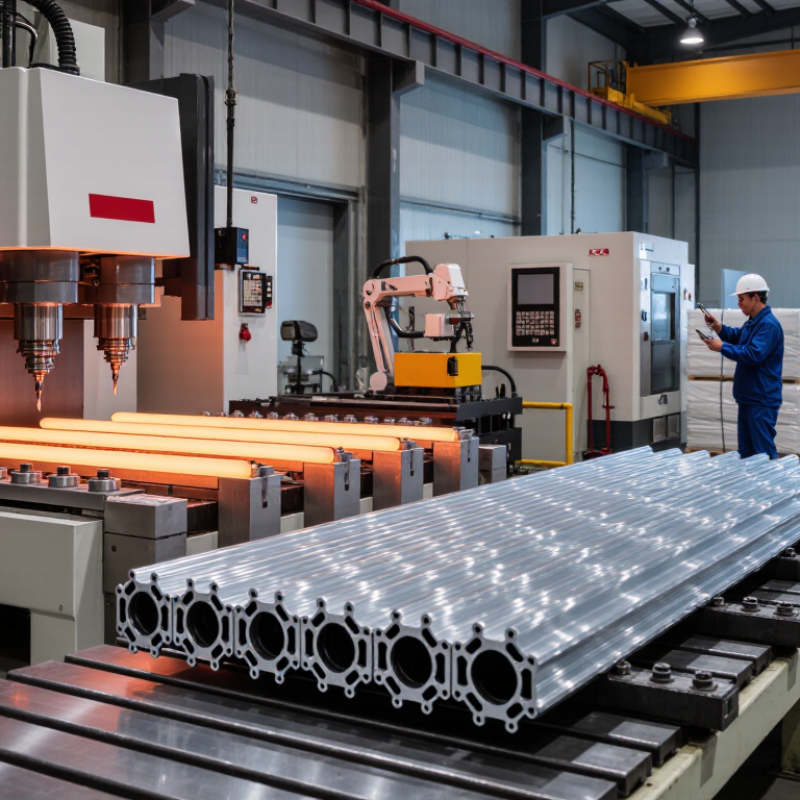
What Defines a Leading CNC Aluminum Profile Supplier in China
A leading CNC aluminum profile supplier in China is defined by process control, not attractive catalogs. Experienced teams read drawings carefully and question unclear tolerances before cutting metal. They understand alloy behavior, tool wear, and distortion during machining. A practical supplier can explain why a thin wall may bend after milling. That explanation shows knowledge, not sales language. It also helps buyers choose realistic designs and stable production schedules.
Reliable production begins with clear technical communication. Engineers should confirm alloy grade, profile dimensions, hole positions, surface finish, and inspection standards. Before mass production, they can provide a machined sample for dimensional review. Calibrated measuring tools, first-article reports, and batch records create useful evidence. Traceable records matter when a buyer receives parts months later. Careful packaging also protects corners, threads, and anodized surfaces during long-distance transport.
Even strong suppliers make mistakes. A missed chamfer or late drawing revision can happen. The important question is how the team responds. Honest suppliers identify the cause, correct the process, and share practical prevention steps. Buyers should inspect response speed, not only quoted prices. Factory experience becomes credible when operators notice tool marks, engineers challenge impossible tolerances, and managers accept reasonable criticism. Perfection is unlikely. Consistent improvement is more valuable.
What Defines a Leading CNC Aluminum Profile Supplier in China?
Material capability is a key indicator when evaluating a CNC aluminum profile supplier. The chart compares typical minimum ultimate tensile strength values for commonly specified aluminum alloys used in precision profiles and machined components.
Values shown are typical minimum ultimate tensile strength levels in MPa for common temper conditions: 6063-T5, 6061-T6, 6082-T6, and 7075-T6. Actual values may vary according to the applicable ASTM, EN, or regional material standard, product form, and heat-treatment requirements.
How CNC Aluminum Profiles Are Designed and Manufactured
Design starts with function, not appearance. Engineers convert load, joint, cable, and installation requirements into a CAD model. They select an aluminum alloy according to strength, machinability, and surface needs. 6061 suits many machined components, while 6063 often supports attractive architectural surfaces. The choice is not automatic. A first drawing is rarely perfect. Designers check wall thickness, corner radii, hole depth, and tool access before approving the profile.
Manufacturing usually begins with an extruded aluminum section or a solid billet. CNC mills then cut slots, faces, threads, and mounting holes from controlled coordinates. Proper fixturing matters. A weak clamp can distort a slender profile and create inaccurate results. Experienced machinists set datums, simulate toolpaths, and choose cutting speeds that limit heat and burrs. Coolant, sharp tools, and regular tool checks protect dimensional stability during longer production runs.
After machining, operators deburr edges and inspect critical dimensions with gauges, calipers, or a coordinate measuring machine. Inspection records should identify material, revision, tolerance, and batch details. Surface treatment may follow, but it cannot hide poor machining. Reliable export preparation also includes protective packaging and clear drawings. Small issues still appear. An occasional tolerance conflict can reveal a design assumption that needs review before volume production.
Key Quality Standards for Global Aluminum Profile Buyers
For global buyers, choosing a China CNC aluminum profile supplier starts with measurable quality, not attractive photos. In factory audits, I check alloy grade, temper condition, and extrusion consistency before discussing price. The profile must match the approved drawing. Small deviations can disrupt assembly. Ask for material certificates showing chemical composition and batch numbers. Standards such as EN 755, EN 12020, ASTM, or agreed customer specifications may apply. The correct reference depends on the market and application.
Dimensional control deserves close attention. Inspect wall thickness, slot width, straightness, twist, hole position, and cut length with calibrated tools. A profile can look excellent and still fail during installation. Surface quality also matters. Buyers should define anodizing thickness, color tolerance, gloss, and acceptable scratches in writing. For powder coating, request adhesion, hardness, and curing records. Samples should represent normal production, not a carefully selected showcase piece. This is where some projects become uncomfortable.
Reliable suppliers provide inspection plans, test reports, and clear nonconformity procedures. Check tensile strength, yield strength, elongation, and corrosion resistance when required. Confirm packaging protects corners from impact and keeps profiles dry during sea transport. Traceability should continue from billet to final shipment. I also recommend a pre-shipment inspection by an independent party.
It costs more. It can prevent expensive rework. No system is perfect, including mine; tolerances, sampling frequency, and acceptance limits should be reviewed after every project.
Ordering, Customization, and International Delivery Considerations
Choosing the best CNC aluminum profile supplier requires more than comparing prices. Experienced buyers examine alloy grades, machining tolerances, surface finishes, and inspection records. Request a clear quotation with material specifications, drawing requirements, tooling costs, lead time, and minimum order quantity. A small prototype can reveal sharp edges, incorrect holes, or unstable dimensions before full production. Do not skip it.
Customization should begin with a controlled technical file. Share 2D drawings, 3D models, tolerance ranges, thread details, and packaging expectations. Confirm whether the supplier can provide material certificates, dimensional reports, and sample approval records. Practical communication matters. One unclear note on a drawing may create costly rework. I have seen buyers focus on appearance while overlooking hole depth and assembly access. That mistake deserves reflection.
Tips: Confirm the aluminum alloy before ordering. Approve a physical sample. Ask for inspection photos. Clarify Incoterms, payment stages, and responsibility for customs clearance. For international delivery, discuss carton strength, moisture protection, pallet dimensions, and shipping marks. The supplier should prepare commercial invoices, packing lists, and other required export documents accurately. Check the destination country’s import rules with a qualified customs professional. Ocean freight may reduce cost, while air freight can protect urgent schedules. Delivery estimates are never perfectly fixed. Weather, port congestion, and document corrections can still cause delays. Keep a realistic buffer.